The Science of Sleep and the Failure of Medicine: How HBOT Helped Me Reclaim My Nights
The World’s Most Elusive State of Being
Sleep is humanity’s oldest mystery.
We’ve split the atom, sequenced the genome, and digitized consciousness — yet we still can’t explain why the simplest thing we do each night often refuses to come when we need it most.
For millions of people, sleep disorders have become a silent epidemic. Doctors can measure your heart rate, hormones, and even REM cycles — but when your body forgets how to sleep, the medical world has no true solution.
I know, because I lived it.
Three Years of Being Awake
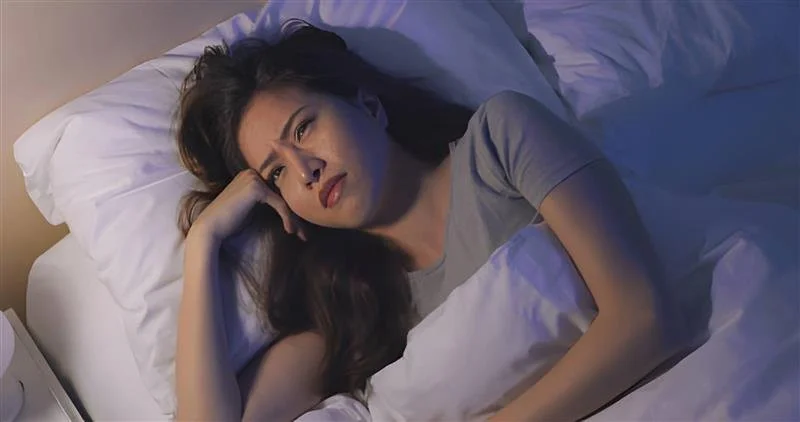
At my lowest, I was averaging one to three hours of sleep a night. I saw more than forty doctors in New York City. Specialists. Sleep experts. Neurologists. Integrative practitioners. Every one of them had a theory, none had results.
They prescribed everything the system knows — benzodiazepines, antihistamines, antidepressants, melatonin, magnesium, GABA, CBT-I — yet the nights remained long and silent.
I began to understand that medicine doesn’t treat sleep; it sedates the brain and calls it recovery.
But sedation is not restoration.
The difference between the two is the difference between being alive and simply not dead.
The Biological Breakdown of Sleep
True sleep depends on three invisible systems working in harmony:
Oxygen regulation — your brain needs oxygen stability to switch between wakefulness and rest.
Mitochondrial efficiency — your cells must have enough energy to complete nightly repair cycles.
Inflammatory balance — chronic stress, infections, and toxins keep the body in “fight-or-flight,” not “rest-and-repair.”
When these systems are out of sync, the body can’t downshift.
And once sleep becomes fragmented, it triggers a cascade — neuroinflammation, hormonal disruption, and mitochondrial exhaustion. That’s why chronic insomnia often evolves into fatigue, anxiety, and cognitive decline.
[Learn how HBOT restores cellular balance and supports sleep recovery]
How HBOT Helped Me Heal
I eventually found Hyperbaric Oxygen Therapy (HBOT) — not through a doctor, but through desperation.
What I discovered changed everything.
Under pressure, breathing 99% concentrated oxygen, the body begins to remember its original design.
Inflammation subsides. Blood flow increases. The brain rebalances neurotransmitters.
The constant static inside the mind — the high-frequency stress that never stops — begins to fade.
At Halcyon Life, I now use the same protocols that helped me heal:
gentle, consistent HBOT sessions, supported by mitochondrial nutrients and circadian discipline.
It took nearly two years — but my body learned how to sleep again. Today, I average eight hours a night. No medication. No fear. Just natural sleep returning to its rightful place.
[Explore HBOT for sleep disorders and chronic fatigue in NYC]
Why Medicine Still Doesn’t Understand Sleep
Sleep is not a switch; it’s an ecosystem.
But conventional medicine treats it like a chemical imbalance — something to be corrected by increasing GABA or suppressing cortisol.
There are only seven categories of sleep drugs available in the U.S., and all of them manipulate the nervous system without restoring its rhythm.
That’s why so many patients end up dependent on substances that slowly disconnect them from their body’s natural cycles.
The real answer lies in re-oxygenating the brain and calming systemic inflammation — something hyperbaric oxygen therapy does naturally, without drugs or sedation.
[Best Hyperbaric Oxygen Therapy in NYC]
The Cellular Science Behind Rest
Here’s what’s happening during deep restorative sleep — and why HBOT helps get you there:
Oxygen and Mitochondria: HBOT enhances ATP production, allowing neurons to power nightly detox and regeneration cycles.
Inflammation Control: Elevated oxygen reduces cytokine activity, quieting the overactive immune response that keeps you awake.
Hormonal Reset: Balanced oxygen delivery supports melatonin synthesis, cortisol normalization, and growth hormone release.
Neuroplastic Repair: Improved oxygenation helps repair synapses damaged by stress and insomnia.
In short — HBOT helps your biology relearn what it once did instinctively: sleep, repair, and renew.
[How HBOT enhances mitochondrial and hormonal health]
What Sleep Means Now
After years of waking in terror, I’ve come to see sleep not as a gift, but as proof — that the body can heal from anything if given the right environment.
I no longer measure my nights by hours slept, but by mornings that begin with clarity instead of dread.
At Halcyon Life, we see this pattern every day:
people who’ve been told they’re hopeless, slowly rediscovering what “normal” feels like.
It’s not a miracle — it’s biology rediscovered.
[Book your HBOT session for sleep recovery in NYC]
FAQs About HBOT and Sleep Recovery
Can HBOT help with chronic insomnia?
Yes. By improving oxygen delivery, reducing inflammation, and supporting brain energy metabolism, HBOT helps restore natural sleep cycles.
Does HBOT replace medications?
It’s not a replacement — it’s a foundation. Many clients find they can reduce or eliminate sleep medications as their natural rhythms return.
How many sessions does it take?
Most notice improvement within several weeks of consistent sessions. Sustained recovery builds gradually.
Is HBOT safe for those with anxiety or stress-related insomnia?
Absolutely. HBOT activates the parasympathetic nervous system, helping regulate mood and calm overactive thought patterns.
What’s different about Halcyon Life’s approach?
We focus on care, communication, and protocols built from lived experience — not theory. Healing here isn’t just medical; it’s human.