Using HBOT to Support Lyme Disease Recovery
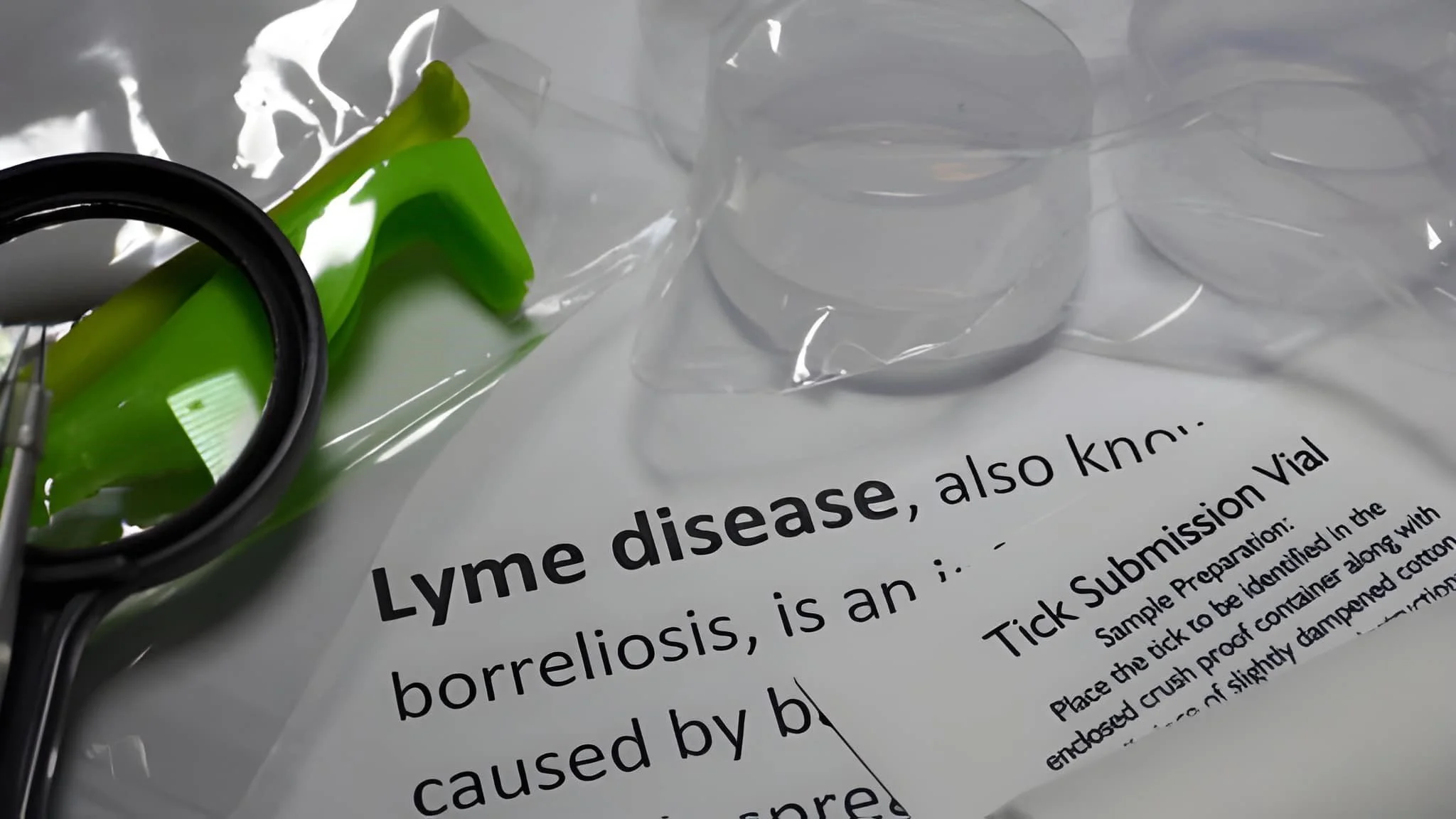
Lyme disease is one of the most complex bacterial infections affecting people across the Northeast—especially in regions like New York where tick populations are widespread. While many individuals respond well to early antibiotic treatment, a growing number continue to experience ongoing symptoms such as fatigue, neurological changes, muscle pain, and cognitive difficulties.
For these patients, innovative supportive therapies like Hyperbaric Oxygen Therapy (HBOT) can play an important role in restoring well-being.
This article explains what HBOT is, why it is considered a promising supportive therapy for Lyme recovery, the science behind its benefits, and how New York patients can integrate it into a comprehensive wellness plan.
With advanced technology—providing 99% oxygen for enhanced therapeutic impact—HBOT is becoming an increasingly valuable tool for patients looking to regain health, energy, and clarity.
What Is Hyperbaric Oxygen Therapy (HBOT)?
Hyperbaric Oxygen Therapy is a medical treatment that uses a specialized chamber to deliver highly concentrated oxygen at increased atmospheric pressure. This environment allows oxygen to dissolve into the bloodstream at far higher levels than what is possible through normal breathing.
When oxygen delivery is enhanced, tissue repair accelerates, inflammation decreases, circulation improves, and the body becomes more capable of fighting persistent infections.
Many leading wellness and medical facilities in New York now offer HBOT as a complementary therapy for complex conditions such as Lyme disease, chronic inflammation, post-viral syndromes, neurological challenges, and athletic recovery.
Understanding Lyme Disease and Why Symptoms Persist
Lyme disease is caused by the bacteria Borrelia burgdorferi, transmitted through the bite of infected ticks. When treated early, antibiotics typically resolve the infection. However, thousands of patients experience lingering issues—often referred to as persistent Lyme symptoms or Post-Treatment Lyme Disease Syndrome (PTLDS).
These ongoing challenges may include:
· Fatigue that disrupts daily functioning
· Joint and muscle pain
· Cognitive issues such as brain fog or memory lapses
· Sleep disruptions
· Balance issues or neuropathic sensations
· Headaches or migraines
· Mood changes or anxiety
Emerging research suggests that these lingering symptoms may be connected to ongoing inflammation, damage to tissues affected during the initial infection, compromised immune response, or bacterial biofilms that make recovery more difficult.
How HBOT Supports Lyme Disease Recovery
HBOT is not a replacement for antibiotics or medical treatment, but it is a powerful supportive modality that addresses several underlying challenges associated with Lyme disease.
1. Enhanced Oxygen Delivery for Tissue Repair
Lyme symptoms often stem from inflammation, immune stress, and tissue damage. By delivering oxygen at elevated atmospheric pressure, HBOT saturates blood plasma with oxygen at levels that far exceed normal breathing. This increased oxygenation:
· Supports mitochondrial function
· Accelerates cellular repair
· Enhances tissue regeneration
· Improves neurological function
Patients often report improvements in clarity, energy levels, and physical comfort as oxygen delivery increases.
2. HBOT Helps Break Down Biofilms
Lyme bacteria can create biofilms, which are protective layers that make them harder for the immune system—and sometimes antibiotics—to reach.
Research suggests that high-oxygen environments may help weaken or disrupt these biofilms, making the bacteria more vulnerable to the body’s natural defense mechanisms and medical protocols.
3. Reduces Systemic Inflammation
Chronic inflammation contributes to the ongoing discomfort that many Lyme patients experience. HBOT has been shown to:
· Reduce inflammation markers
· Regulate immune responses
· Improve circulation in inflamed tissues
· Support overall recovery
This reduction in inflammation can significantly ease pain, stiffness, and neurological strain.
4. Improves Microcirculation and Blood Flow
Lyme symptoms often correlate with compromised microcirculation. HBOT helps expand the flow of oxygen-rich plasma into tissues with poor blood supply, which:
· Improves healing
· Supports nerve recovery
· Enhances detoxification pathways
· Boosts energy levels
Better circulation often helps patients feel more physically resilient and mentally focused.
5. Supports Immune Function
Many Lyme patients struggle with a weakened or dysregulated immune system. HBOT helps the body:
· Optimize immune cell function
· Improve white blood cell activity
· Reduce oxidative stress
· Restore homeostasis
With strengthened immunity, patients often find that they recover faster and maintain wellness more consistently.
Scientific Evidence Supporting HBOT for Lyme Disease
Although research is still evolving, several studies and patient reports highlight HBOT’s potential:
· Studies show HBOT increases oxygen concentration in tissues where Lyme bacteria reside.
· Some research indicates HBOT may weaken bacterial structures or improve response to antibiotics.
· Thousands of patient success stories demonstrate improvements in fatigue, cognition, pain, and neurological symptoms.
· Clinics specializing in chronic illnesses frequently incorporate HBOT as part of an integrative approach.
While HBOT is considered an “off-label” therapy for Lyme disease, its physiological effects align closely with the challenges that persistent Lyme symptoms present.
Benefits of HBOT for Lyme Disease Patients
Patients receiving HBOT for Lyme commonly report:
Improved brain fog and cognitive clarity
Enhanced oxygenation supports the brain, often leading to sharper memory and mental performance.
Reduction of joint and muscle pain
Improved circulation enables faster healing and reduces inflammation.
More stable energy levels
HBOT boosts mitochondrial efficiency, increasing natural energy production.
Better sleep quality
Many patients find that HBOT contributes to more restful, restorative sleep.
Mood balance and emotional well-being
Oxygen delivery and inflammation reduction can promote better neurological balance.
Support for co-infections
HBOT may also assist those dealing with Bartonella, Babesia, or other complicating infections.
What Happens During an HBOT Session?
Patients relax inside a specialized chamber designed to deliver high-concentration oxygen—up to 99% oxygen—in a controlled environment. A typical session includes:
· A comfortable position inside the chamber
· A gradual increase in atmospheric pressure
· Breathing concentrated oxygen for the duration of the session
· Relief or relaxation as the body absorbs the oxygen
Sessions are non-invasive, comfortable, and closely monitored for safety.
Treatment protocols vary but many Lyme patients benefit from multiple sessions per week over the course of several weeks.
Safety and Side Effects
HBOT is considered very safe when administered by trained professionals. Potential effects may include:
· Temporary ear pressure during pressurization
· Mild fatigue after sessions
· Occasional symptom flare-ups due to detoxification (Herxheimer response)
Clinics that offer advanced technology—such as chambers delivering medical-grade 99% oxygen—prioritize safety, monitoring, and patient comfort at every step.
Combining HBOT With Other Therapies for Lyme Recovery
Successful Lyme disease recovery often includes a multifaceted approach. Many patients combine HBOT with:
· Antibiotic or antimicrobial protocols
· Anti-inflammatory nutrition plans
· Mitochondrial support supplements
· Detoxification therapies
· Stress reduction protocols
· Low-impact physical therapy
· Immune-supporting lifestyle adjustments
HBOT enhances the body’s healing potential, making other therapies more effective.
Choosing the Right HBOT Clinic in New York
When selecting a wellness center for hyperbaric therapy, patients should consider:
Clinical expertise
Look for centers with experience treating chronic illnesses, including complex infections.
Chamber type and technology
Premium centers offer high-quality chambers capable of providing therapeutic pressure and 99% oxygen for superior results.
Medical supervision
Professional oversight ensures that treatment protocols are safe, personalized, and effective.
Patient comfort and environment
A calming, supportive environment helps maximize the healing experience.
Transparent costs and treatment plans
Patients should receive clear guidance on expectations, treatment schedules, and pricing.
New York’s competitive wellness landscape means that patients have options—choosing a center that prioritizes safety, science, and patient care is essential.
Conclusion
Hyperbaric Oxygen Therapy represents a powerful, science-backed supportive therapy for individuals in New York and beyond who are experiencing persistent symptoms from Lyme disease.
By delivering highly concentrated 99% oxygen within a controlled environment, HBOT enhances the body’s natural healing capabilities—from reducing inflammation and improving circulation to supporting neurological health and strengthening the immune system.
For many patients, HBOT becomes a turning point in their recovery journey. When integrated into a holistic and medically informed treatment plan, it offers a valuable pathway toward reduced symptoms, increased energy, mental clarity, and a renewed sense of well-being.
If you’re ready to take the next step in your recovery, book now and begin your personalized HBOT treatment plan.
Frequently Asked Questions (FAQ)
1. Is HBOT a cure for Lyme disease?
HBOT is not considered a cure for Lyme disease. Instead, it is a supportive therapy that enhances healing, reduces symptoms, and improves overall function.
2. How soon will I feel results?
Many patients begin noticing changes within 10–20 sessions, although timelines vary.
3. Can HBOT help with brain fog and neurological issues?
Yes—patients commonly report improvements in focus, clarity, and cognitive performance due to enhanced oxygenation.
4. Is HBOT safe?
HBOT is very safe when administered by trained professionals. Advanced technology and 99% oxygen delivery ensure therapeutic benefits while maintaining patient safety.
5. Does insurance cover HBOT for Lyme disease?
Most insurance plans do not cover HBOT for Lyme since it is considered an off-label use. Clinics typically offer packages and payment options.